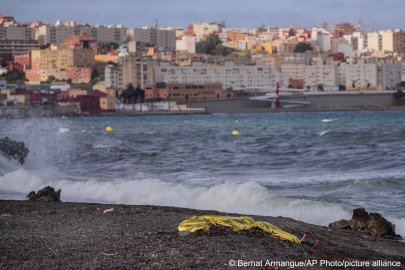
Moroccan families search for their missing children
Source: InfoMigrants: reliable and verified news for migrants – InfoMigrants
Families in Morocco have called on authorities to help them find their loved ones who have gone missing in the attempt to reach Europe. For affected family members, the psychological impact can be profound and long-lasting. Keeping a loved one’s memory alive to substitute for psychological presence while coping with the physical absence creates a feeling of “ambiguous loss.”
They journey to neighboring Algeria and Tunisia, searching prisons and knocking on the doors of government offices. They are the Moroccan families whose children have gone missing — some for years.
Those searching don’t know if their children have been detained in neighboring countries or have gone missing, washed away by the treacherous waves of the Mediterranean Sea. They only know that they will not stop searching until they locate their children or at least find answers that will soothe their anguish.
Desperate and grieving, Moroccan families called on their country and others around the region for help, the Spanish news agency EFE reported on November 27.
Fatima, a mother from Casablanca, is agonizing over the whereabouts of her son, Oussama, who disappeared in 2021. He was trying to cross from Tunisia to enter Europe. Fatima told EFE that she traveled to Tunisia, pleading at the doors of various government offices.
“The Moroccan administration isn’t helping me. I want to see my son alive or dead. And if he’s dead, I don’t want him buried with a number,” she said.
The mothers and family members were speaking at a meeting in Rabat organized by the Moroccan Network of Migration Journalists (RMJM) in collaboration with the Moroccan Association for Aid to Migrants in Vulnerable Situations (AMSV).
Read Also
Families of lost migrants: Waiting for answers that may never come
Ambiguous loss
For family members like Fatima, whose loved ones have gone missing, the psychological impact can be profound and long-lasting. According to research conducted by various rights groups and published by the Forced Migration Review, keeping a loved one’s memory alive to substitute as a psychological presence while coping with the physical absence creates a feeling of “ambiguous loss.”
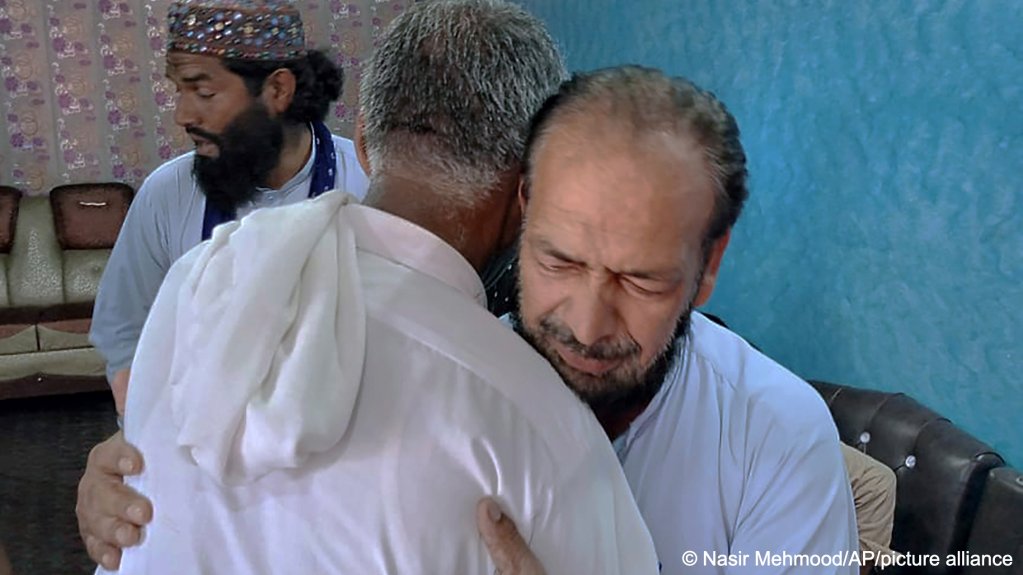
It is a prolonged state of limbo that can prevent normal grieving and adjustment because of the refusal to give up hope. According to the research, people with missing family members are at higher risk of post-traumatic stress disorder, depression, anxiety, and complicated grief.
Physical symptoms such as fatigue, pain, or general poor health may also emerge due to chronic stress. Beyond individual mental health, ambiguous loss can affect family dynamics, social relationships, and day-to-day functioning, as family roles shift to accommodate absent members or financial and caregiving responsibilities increase.
Refugees and asylum seekers often contend with the “double ambiguity” of displacement combined with the unresolved status of missing loved ones, which intensifies feelings of helplessness, guilt, and prolonged trauma.
Active tracing of missing family members through organizations like the Red Cross can provide a sense of agency, though answers may take years or never arrive. Research indicates that ambiguous loss may disrupt attachment systems that normally regulate stress, compounding emotional and physiological responses to trauma
Read Also
Alarming rise in shipwrecks on Algerian migratory route to Spain
Livestreaming a dangerous crossing
Last year, a trend emerged where Moroccan migrants used TikTok to document their crossings to the Spanish enclave of Ceuta by swimming, sometimes garnering millions of views.
Before COVID-19 restrictions closed off borders and roads, many irregular migrants would travel to Ceuta and Melilla by hiding in trailers, trucks, and cars. Now, many resort to swimming to cross the border and post it with their followers.
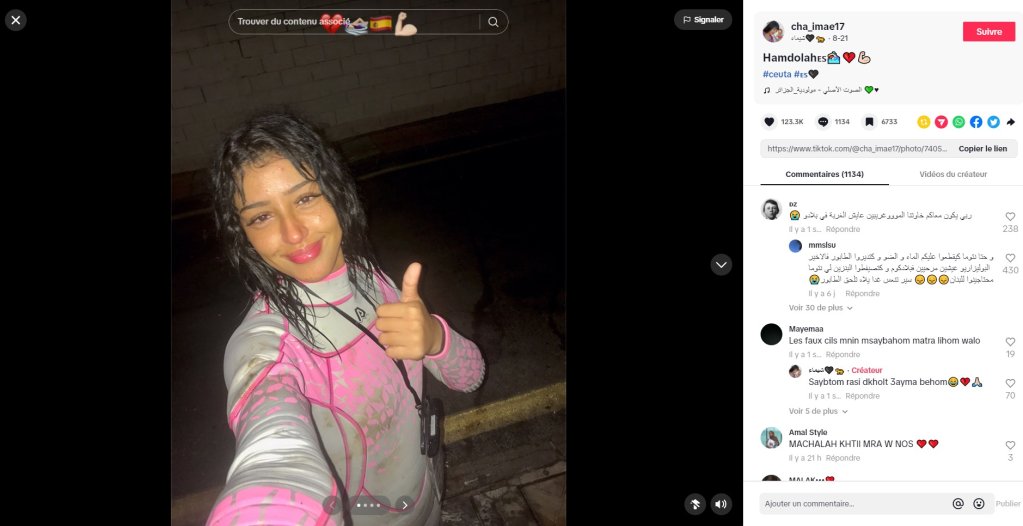
| Photo: Screenshot from TikTok
The young migrants, who are usually Moroccan or from other African states, meticulously detail their preparation and process under “harragas” (a term which means “border burners” and refers to migrants from the Maghreb) or “Ceuta” hashtags. They also share tips to evade Moroccan police, getting into the water and swimming. The victorious ones who make it across also post photos parading in the streets of Ceuta with triumphant music in the background. Others have warned that the videos downplay the danger of crossing the sea.
Read Also
Swimming to Ceuta: Moroccan youth document their crossing on TikTok
Perilous crossing

The Mediterranean Sea is one of the deadliest migration routes worldwide. Every year, thousands of migrants are swallowed by its waters and either perish or disappear, washed away at sea.
The Western Mediterranean Route (WMR) is used by migrants travelling mainly toward Spain’s southern coast and the Spanish enclaves of Ceuta and Melilla, departing mostly from Morocco or Algeria. According to the International Organization for Migration (IOM) Missing Migrants Project, more than 55,600 migrants reached Spain via the WMR in 2023. The Missing Migrants Project recorded 458 deaths and disappearances that year, most of them off the Algerian coast (288), followed by Spain (103) and Morocco (67).
Among the 412 identified victims, the majority were Algerian (210), followed by Moroccan (102) and Syrian (36).
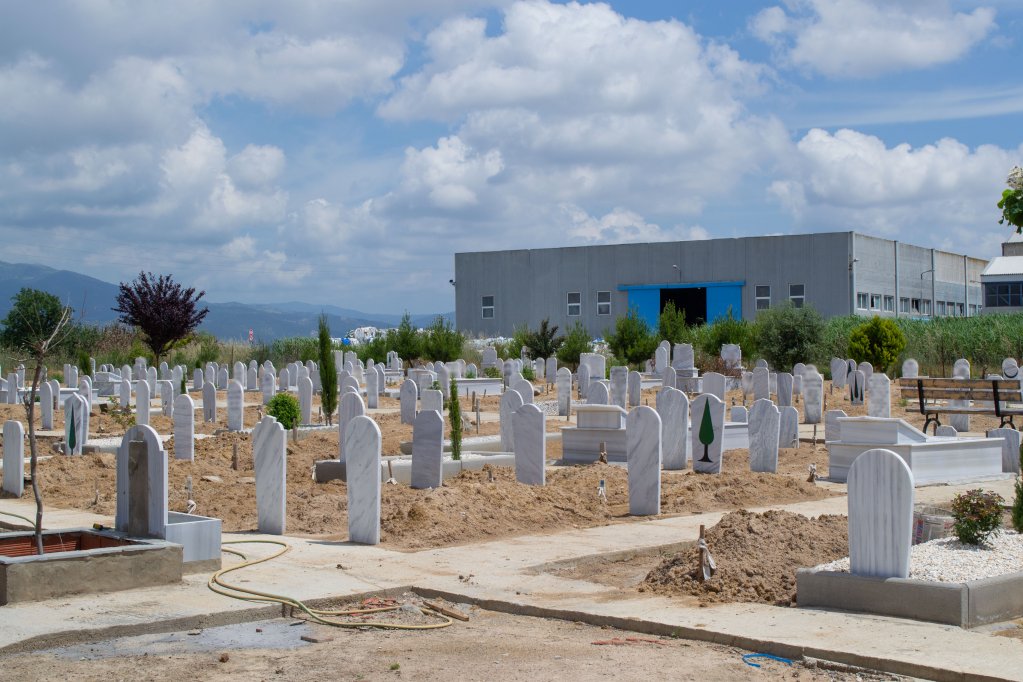
However, tracking and estimating the number of Moroccan migrants who disappear at sea remains challenging due to large gaps in the data.
The clandestine ways that some boat crossings are done compound the problem. Many crossings happen in secrecy, at night, or on unsafe boats that leave no trace when they sink. Bodies are often never recovered, and survivors may fear reporting what happened due to irregular status, debts to smugglers, or fear of arrest. Authorities in different countries record incidents inconsistently, and many cases are simply logged as “unknown nationality.”
In 2024, there were 14 attempts by larger groups to get into Ceuta and Melilla via the border fences, equivalent to more than twice the number from the previous year.
Read Also
Looking for a missing loved one: How do I even begin to search and who can help?
The original article: belongs to InfoMigrants: reliable and verified news for migrants – InfoMigrants .