Chinese Gold Mining in Congo Threatens UN Heritage Site
Source: GreekReporter.com

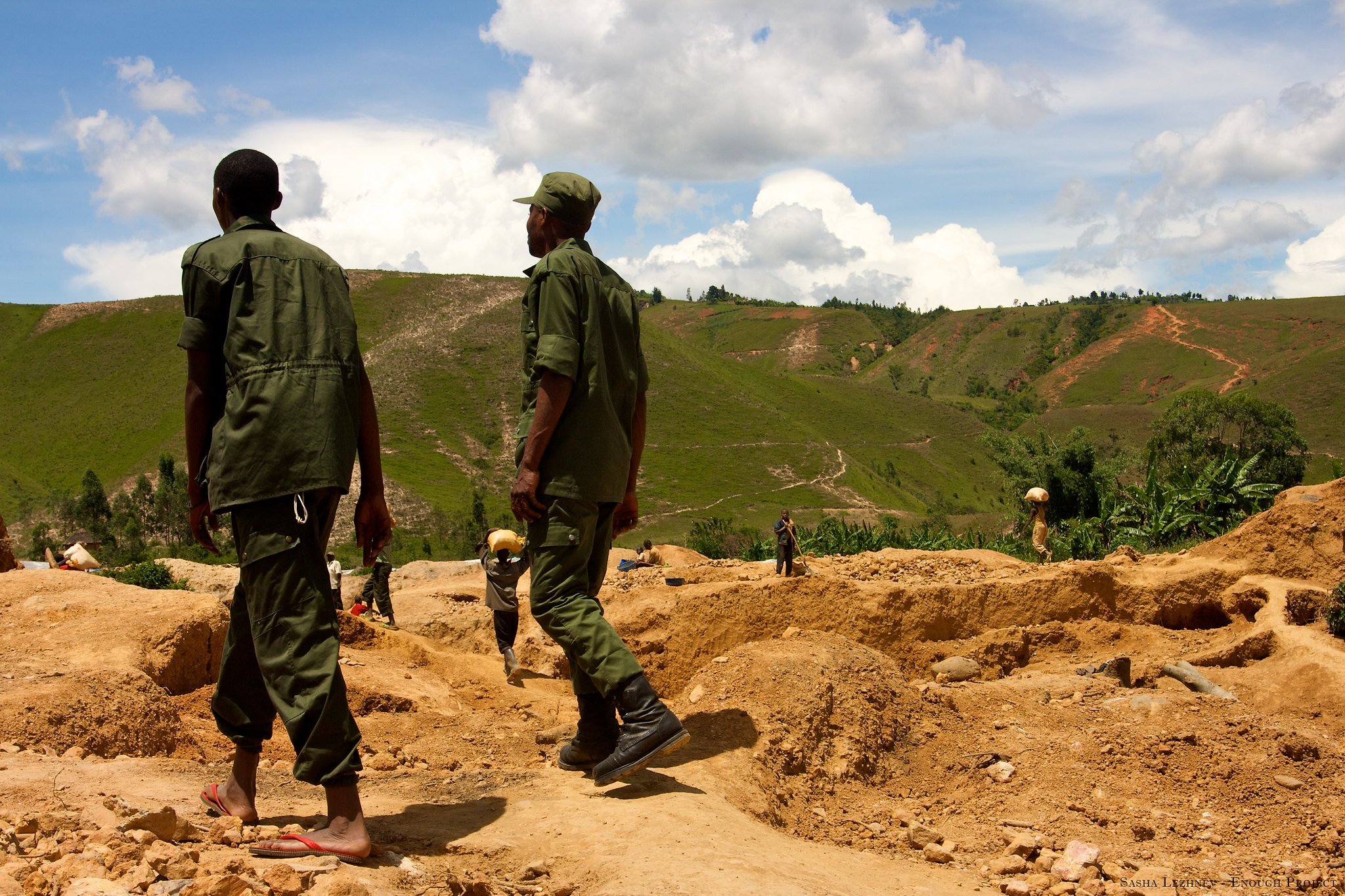
A Chinese-run gold mine in the Ituri province in eastern Congo is encroaching on the Okapi Wildlife Reserve, a UN heritage site. Experts say the mine shouldn’t be operating there.
The original boundaries of the reserve were established by Congo’s government almost three decades ago and limited the area where the Chinese gold mine could freely carry out its activities. These previously established boundaries have seemingly blurred over the years, as the gold mine has started operating within the perimeter of the forest.
Other factors played their part in putting the Okapi Wildlife Reserve on the endangered list. These include conflict in the country and wildlife trafficking. Now, the Chinese mine threatens to further pollute the forest and gravely affect local communities.
Wildlife experts and residents claim the Chinese gold mine is polluting rivers and soil at heritage site
The Okapi Wildlife Reserve became a protected UN heritage site in 1996 due to its unique biodiversity. It is home to a significant number of endangered species. Perhaps the most significant of these is the Okapi giraffe, as the reserve is home to almost 15 percent of such giraffes.
The Okapi
This animal is strange and rare at the same time, it is from the giraffe family. His body combines three animals: the head of a giraffe, the body of a horse, and the legs of a zebra
pic.twitter.com/fjB3p5YS12
— African Hub (@AfricanHub_) October 7, 2022
The reserve is also part of the Congo Basin, which is the second largest tropical rainforest in the world. It is crucial for fighting the effects of climate change. The reserve also contains a significant amount of mineral wealth, including gold and diamonds.
According to Congo laws, however, mining is prohibited in protected areas. Despite this, a spokesperson for the Chinese gold mine, Issa Aboubcar, said that the operation is legal, and they had renewed its permits until 2048.
Efforts are underway to protect this site, as Congo’s ministry said the map currently being used by the gold mine came from an agency called the ICCN (Institut Congolais pour la Conservation de la Nature). Now, the government and the agency are working together to update the boundaries of the park.
The ICCN held meetings this year with the mining registry over the boundaries of the gold mine
After holding meetings to discuss the boundaries of both the protected site and the mine operated by Chinese-based Kimia Mining, the government determined that all operations in the vicinity of the reserve would be shut down.
This is presumed to be the first time there is acknowledgment that the boundaries previously used were incorrect. Indeed, this was celebrated by Congo environmentalist groups that have consistently said the permits awarded to the mine were illegal and based on inaccurate maps.
Changing the boundaries will prove to be more challenging than anticipated, however, since the wildlife reserve is a protected site and the change needs to be approved by UNESCO experts at the World Heritage Committee.
The original article: belongs to GreekReporter.com .