For the love of a language
Source: NEOS KOSMOS
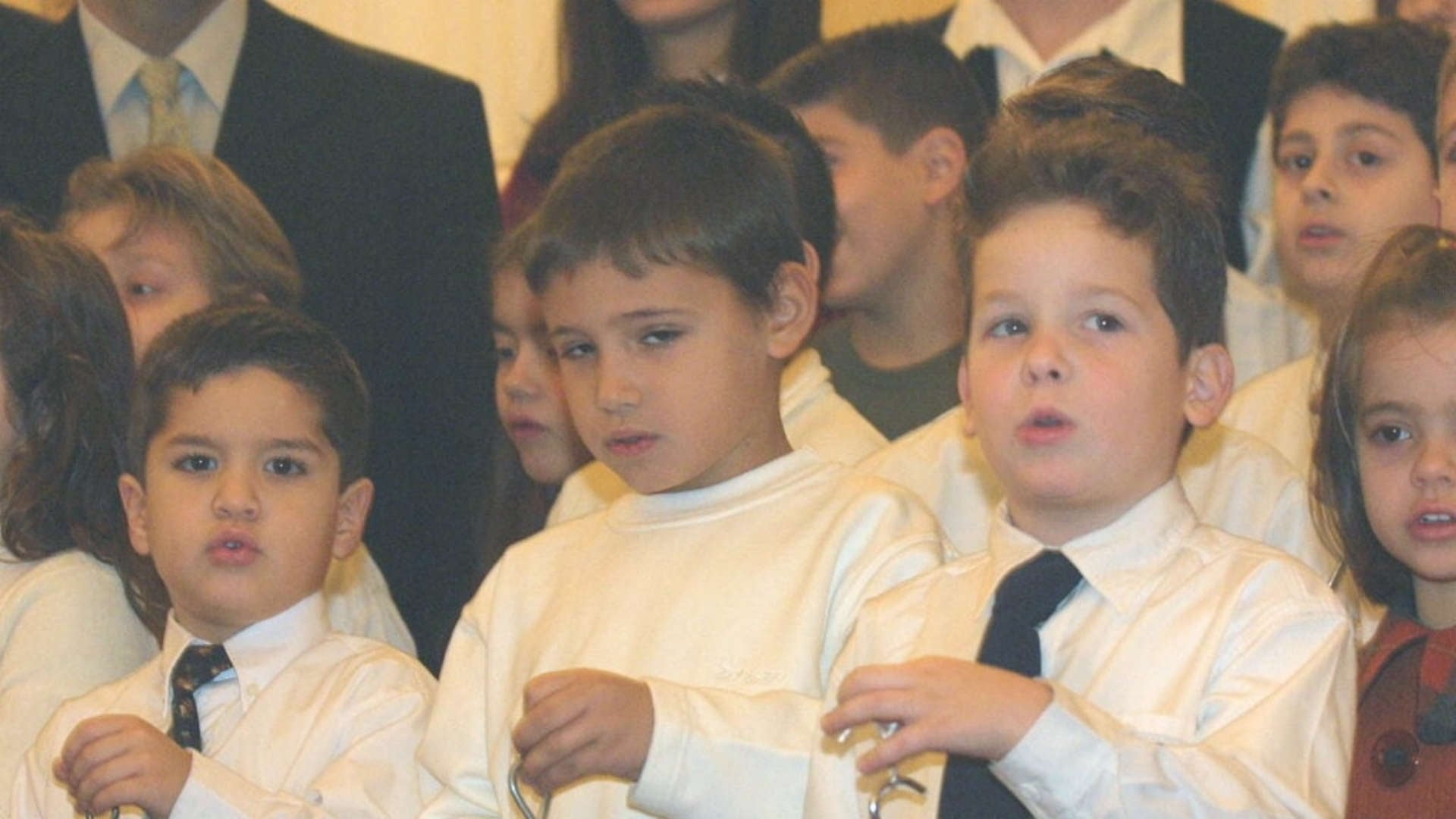
Coordinating La Trobe University’s Greek Studies program is more than a full-time job. It is at times absolutely exhausting and leaves little time for anything else, which is a choice I have made, gladly, because it is a cause I strongly believe in. That is, I believe that having our language taught in the Australian public school system, from pre-school to tertiary level, is not a privilege but a right, a matter of social justice worth defending. Administratively, it can be quite a nightmare, for reasons beyond educators’ control. At the same time, teaching Greek is one of the most rewarding endeavours in which I have had the honour of being involved. Empowering students of diverse backgrounds to learn and communicate in Greek fills me with infinite happiness. It reinforces the multicultural and multilingual Australia that I desire to see grow stronger into the future. I haven’t made it a habit of sharing subjective commentary over the years I have been in this role. Instead I have concentrated on providing a quality program to our undergraduate and postgraduate students and on updating the community about our activities. However, recent events and reports, in print and online, compel me to speak up.
I write to inform Neos Kosmos readers of the existence of the Pharos Alliance. We have tried to reach out to the community through the media but it seems we need to work harder. The Pharos Alliance is a community-wide, broad-based group of volunteers – individuals and organisations – working to revitalise the teaching and use of modern Greek in Victoria and Australia. It is NOT too late.
Let me provide a brief history of Pharos. In 2017, the Modern Greek Teachers’ Association of Victoria (MGTAV) commissioned Professor Joseph Lo Bianco, AM to research the state of the Greek language in Victoria. He found that we were, and still are, at a critical juncture. If we don’t intervene now, in the form of supporting the existing Greek programs and increasing the use of Greek beyond the classroom, we may not be using the Greek language at all in Australia in the near future. Based on Prof. Lo Bianco’s recommendations, the Pharos Working Party was formed in 2021. It developed the Strategic Plan for Modern Greek and, following community consultation, this was launched in 2022. The group became incorporated as the Pharos Alliance in 2024, with the scope to further increase our initiatives.
For the first time in our history, we have a Strategic Plan for the Greek language, based on research, and formulated under the guidance of an esteemed expert in language education. We are working hard with educators who hold the requisite expertise, government officials who are the decision-makers, and community stakeholders, to ensure that Greek (alongside other languages) will have a place in the future of this country. We are making some progress, but we need people’s support.
I would like to highlight two points. Many of our members are regularly confronted with the same question from Greek Australians of all ages who love the Greek language but cannot see a path forward for it in the diaspora: “Why bother? Greek is gone. Don’t waste your time.” Well, this is not how we were raised. We were raised to fight for what we believe in. And we believe that languages make Australia a better, richer place. They expand people’s worldview, make us better citizens by enabling us to be more compassionate to others from different backgrounds, not to mention all the cognitive and economic benefits that come from knowing one or more other languages. And a plea to parents, guardians and our friends in the media: please understand that ‘doom and gloom’ headlines do NOT help our cause. Statements prematurely announcing that programs are ‘in danger’ are likely to repel prospective students rather than attract them to our language programs. Why would anyone wish to study a language with such pessimistic news? Indeed, languages are not as valued as they could be in Australia, but we are working with other language communities to change that. Our language programs in Victoria, from pre-school to tertiary level, are of course in need of more students. Numbers are important. We therefore respectfully request that you do not undermine our collective efforts to increase our student numbers in Greek.
If we want to be remembered as the community that loved its language so much that it sabotaged its own revitalisation efforts, then let’s continue business as usual. In this case, we will indeed soon end up like Cavafy’s Poseidonians, gathering to reminisce about old times, uttering a few words in Greek that we no longer understand. On the other hand, if we want to be brave, to ‘give it a go’ and try something new that has worked for other communities (Prof. Lo Bianco has been working for decades on successful revitalisation efforts), then we invite you to support the Pharos Alliance (email: pharos.au@gmail.com).
We CAN do this, if we work together with an open mind and an optimistic attitude. We also need to be patient and persistent. IF we believe strongly enough and work hard enough to make the Greek language a larger part of our everyday lives, we will succeed.
I end this letter with Kazantzakis’ “winged words” to offer us inspiration and guidance:
“Καλά πια καταλαβαίνεις πως αυτή ‘ναι η αξία του ανθρώπου: να ζητάει και να ξέρει πως ζητάει το αδύνατο και να ‘ναι σίγουρος πως θα το φτάσει, γιατί ξέρει πως αν δε λιποψυχήσει, αν δεν ακούσει τι του κανοναρχάει η λογική, μα κρατάει με τα δόντια την ψυχή του κι εξακολουθεί με πίστη, με πείσμα να κυνηγάει το αδύνατο, τότε γίνεται το θάμα, που ποτέ ο αφτέρουγος κοινός νους δε μπορούσε να το μαντέψει: το αδύνατο γίνεται δυνατό.” (Από το μυθιστόρημα του Νίκου Καζαντζάκη “Ο Καπετάν Μιχάλης”)
My translation (not AI-generated): You finally understand well that this is the value of a human being: to ask and to know that you are asking for the impossible and to be certain that you will achieve it, because you know that if you do not lose heart, if you do not listen to what reason dictates, but you hold on to your soul for dear life and continue with belief, with tenacity, to pursue the impossible, then the miracle happens, which the common mind could never predict: the impossible becomes possible. (From Nikos Kazantzakis’ novel “Captain Michalis”)
*Dr Stavroula (Stephie) Nikoloudis is the Coordinator, of the Greek Studies Program of La Trobe University.
The original article: belongs to NEOS KOSMOS .