New Year’s Kalanta: Ancient roots, living traditions and regional variations (Video)
Source: NEOS KOSMOS
The New Year’s carols, known as kalanta, are among Greece’s most enduring folk traditions, with origins tracing back to Ancient Greece. Created and preserved by the people, these ritual songs are sung to welcome the new year, offer blessings, and receive a small token of appreciation—today usually money, and in earlier times food or household goods.
Over the centuries, kalanta became firmly associated with the major religious celebrations of Christmas, New Year’s Day, and the Holy Epiphany, evolving into a living expression of community, hope and continuity.
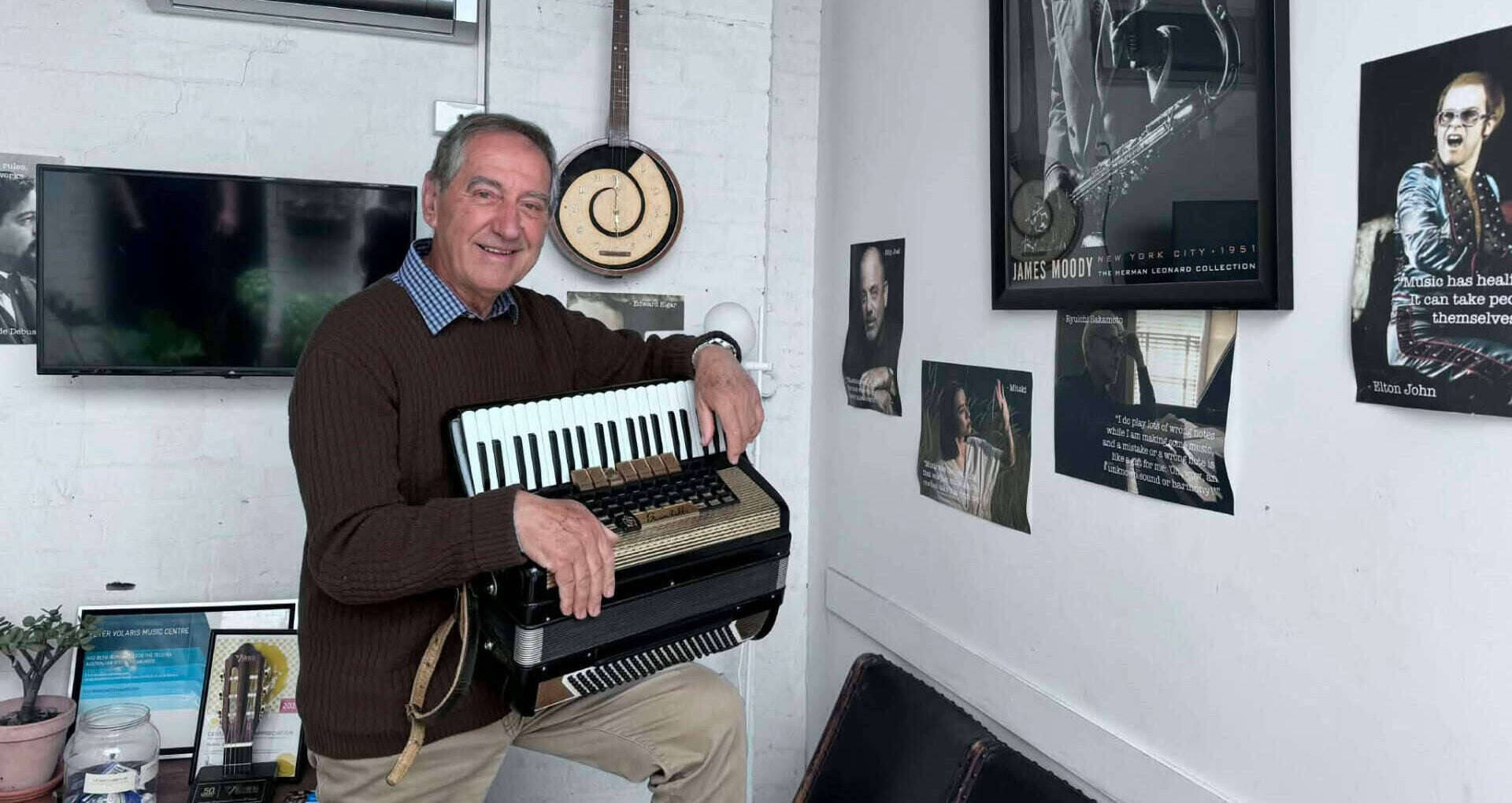
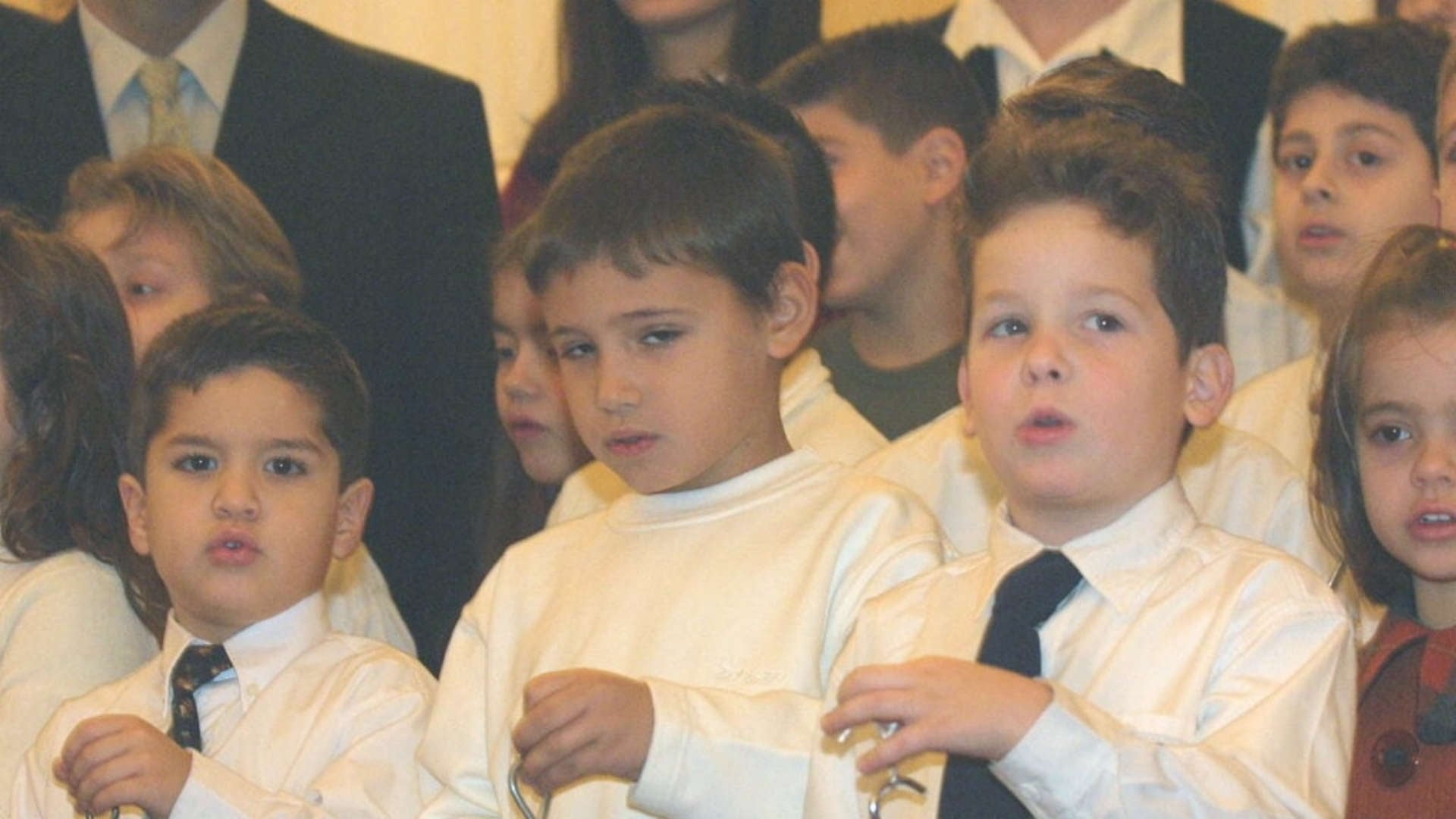
Traditionally performed by children and teenagers, and occasionally by adults, the carols are sung either solo or in groups as singers move from house to house, shops and public spaces. The sound most closely associated with the kalanta is the metal triangle, though in many regions it is accompanied by other instruments such as the harmonica, accordion, drum or flute.
Before beginning, the singers usually ask politely, “Na ta poume?” (“Shall we sing?”). Upon hearing the customary reply, “Na ta peite” (“Go ahead”), the carols begin.
The primary purpose of the kalanta is twofold:
- to offer good wishes—health, joy, prosperity and harmony—for the coming year
- to receive a reward (filodórima), once given in goods and today more commonly in coins
In some regions, this exchange was symbolised by the preparation of special festive breads, such as kollíki in Veria or kouliantína in Siatista, while the singers themselves were known locally as Koulourádes or Fotádes.
In Asia Minor, children traditionally sang the carols on the evening before major feasts. They carried decorated wooden drums (tramboukes) and handmade model boats (vapórakia), adorned with lanterns and colourful paper ornaments.
In some communities, the boats were replaced with illuminated paper churches—miniature representations of Hagia Sophia—highlighting the deep spiritual symbolism woven into the tradition.
On Zakynthos, the New Year’s carols are sung in a distinctive melodic style, reflecting the island’s rich musical heritage. A well-known verse begins:
Across regions such as Macedonia, Thrace, Ikaria, Corfu, Chios, Pontus, Kefalonia, Crete and Epirus, the kalanta appear in countless local variations. While melodies and verses differ, the essence remains the same: the arrival of Saint Basil, the blessing of homes, and the invocation of a prosperous new beginning.
The mainstream, most popularised version of Greek Kalanta is:
Αρχιμηνιά κι αρχιχρονιά,
ψηλή μου δενδρολιβανιά,
κι αρχή κι αρχή καλός μας χρόνος,
εκκλησιά με τ’ άγιο θρόνο.
Αρχή που βγήκε ο Χριστός,
άγιος και πνευματικός,
στη γη στη γη να περπατήσει,
και να μας καλοκαρδίσει.
Άγιος Βασίλης έρχεται,
και δεν μας καταδέχεται,
από από την Καισαρεία,
σ’ εισ’ αρχόντισσα κυρία.
Βαστάει εικόνα και χαρτί,
ζαχαροκάντιο ζυμωτή,
χαρτί χαρτί και καλαμάρι,
δες και με το παλικάρι.
Το καλαμάρι έγραφε,
τη μοίρα μου την έγραφε,
και το και το χαρτί ομίλει,
Άγιέ μου καλέ Βασίλη.
[Archiminia ki archichronia,
psili mou dendrolivania,
ki archi ki archi kalos mas chronos,
ekklisia me t’ agio throno.
Archi pou vgike o Christos,
agios kai pnevmatikos,
sti gi sti gi na perpatisei,
kai na mas kalokardisei.
Agios Vasilis erchetai,
kai den mas katadeketai,
apo apo tin Kaisareia,
s’ eis archontissa kyria.
Vastaei eikona kai charti,
zacharokantio zymoti,
charti charti kai kalamari,
des kai me to palikari.
To kalamari egraphe,
ti moira mou tin egraphe,
kai to kai to charti omilei,
Agie mou kale Vasili.]
The original article: belongs to NEOS KOSMOS .