Reforms aim to bring the Greek state closer to the diaspora
Source: NEOS KOSMOS
Greeks living abroad remain at the centre of ongoing efforts by the Greek government to modernise state services and strengthen ties with the diaspora, as millions of expatriates continue to face bureaucratic and practical challenges in their dealings with Greek authorities.
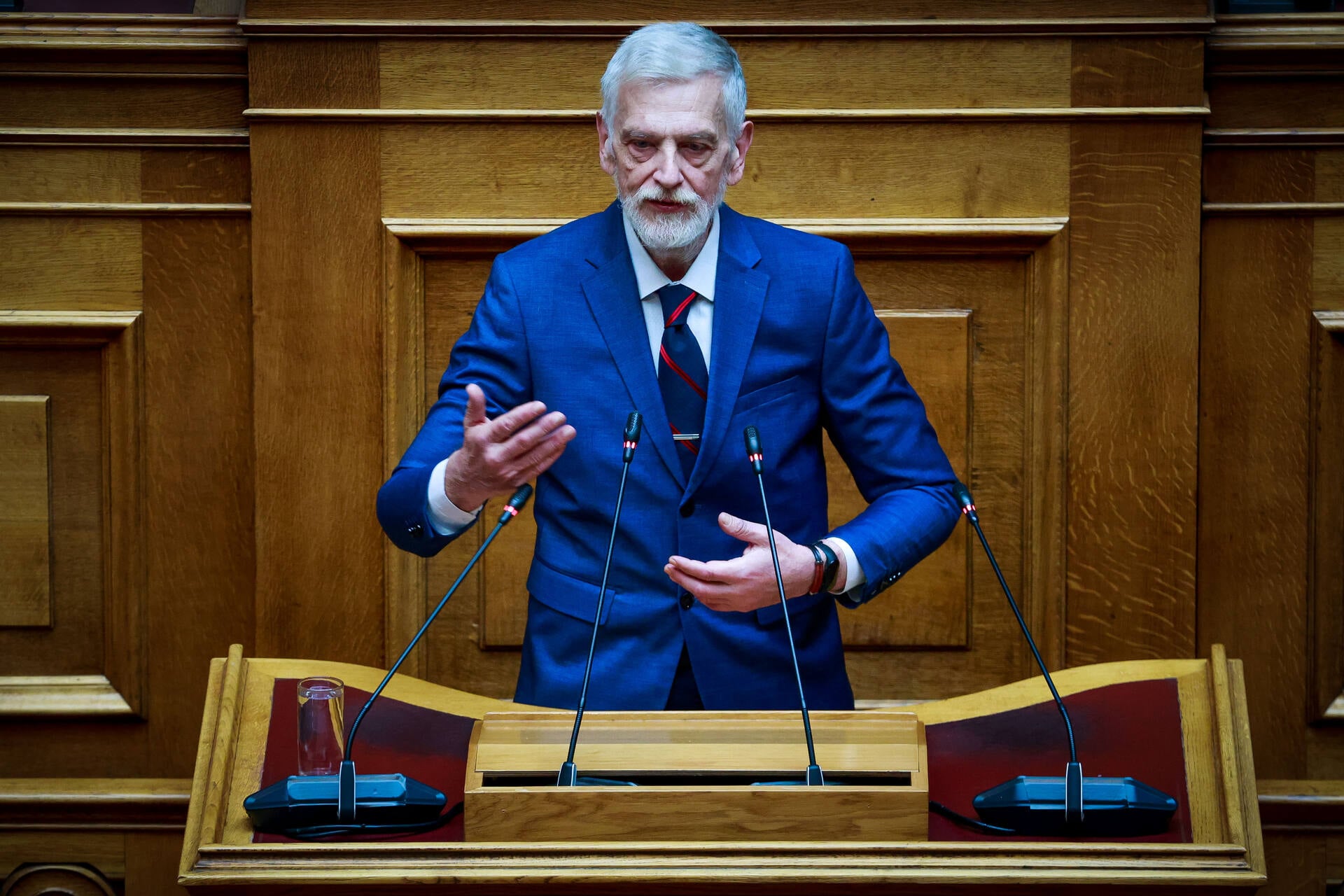
The Deputy Minister of Foreign Affairs responsible for Greeks Abroad, Ioannis Loverdos, says reforms currently under way aim to make the state more accessible, reduce administrative barriers and improve everyday interactions between the diaspora and public institutions.
Key initiatives include the rollout of a digital consulate, the expansion of postal voting, faster citizenship procedures, and increased support for Greek language education, youth engagement and diaspora participation in public life, including the right to vote and stand for election.
In an interview with Iliana Skiada for the Athens–Macedonian News Agency, Loverdos outlines the government’s approach to diaspora policy, the progress made so far and the challenges that remain, as Greece seeks to redefine its relationship with Greeks living overseas.
Iliana Skiada: What is the main message you send through your visits to Greeks of the diaspora? What is the relationship today between the Greek state and Greeks abroad?
Ioannis Loverdos: Greeks abroad are an essential component of Hellenism, and the key message of Greece—and of myself personally as Deputy Minister of Foreign Affairs responsible for Greeks Abroad—is simple and sincere: Greece is here. Not in words, but in action. My visits overseas are not ceremonial; they are made so I can listen and understand the real needs of our compatriots. Through this personal contact with Greeks abroad, and through the Strategic Plan for Greeks Abroad, we are building a relationship of trust—open and human—with diaspora communities worldwide.
IS: What do you consider the greatest challenge of your portfolio? What have you achieved so far, in practical terms, for the Greek diaspora?
IL: The biggest challenge is to change the everyday life of the expatriate Greek, so they do not feel that the Greek state is distant or impersonal. We are working on modernising consular services and digitising procedures so there is less inconvenience and better service. At the same time, in cooperation with the Ministry of Interior, we are speeding up citizenship processes. I vividly remember—with emotion and pride—the naturalisation ceremonies in Australia, because that is where you understand that Greece grows when the heart of the diaspora beats so strongly.
IS: How close are we to a truly diaspora-friendly state? Is there a timetable for improving consular services? Is there cooperation with other ministries?
IL: Recently, we have made significant steps in this direction. My priority is to bring the state closer to Greeks abroad through actions, not words. That is why we are promoting tools such as the digital consulate, upgrading services and improving service standards. All of this is being done in close cooperation with other ministries, such as the Ministry of Interior, because diaspora issues are not the responsibility of the Ministry of Foreign Affairs alone. We want a state that functions the same way whether a citizen lives in Greece or abroad. The state is changing—and it is changing with a plan.
IS: The “digital consulate” is presented as a major reform. What problems does it solve immediately?
IL: The digital consulate is indeed a significant and substantive reform, as it resolves the problems of distance and bureaucracy. It is not reasonable in 2026 for a Greek abroad to have to travel for hours to deal with a simple matter. With the digital consulate, the state goes to the citizen. It is a reform that changes the daily lives of Greeks abroad, not just an announcement on paper. Our aim is for every Greek overseas to feel as close to home as possible.
IS: How do you ensure elderly Greeks abroad are not left behind in the digital transition?
IL: Digital transition does not mean the abolition of human contact. Consulates remain by citizens’ side, and communities play a decisive role in supporting older people, as well as younger ones with limited digital literacy. Technology is a tool, not an obstacle. No one should be left behind.
IS: How do you view the relationship of young Greeks abroad with Greece? Do they feel disconnected?
IL: Greeks abroad may live far from the homeland, but they feel Greek and have a strong emotional connection to Greece. We are working to bring them closer in every way. The Ministry of Foreign Affairs implements annual hosting programs, thematic initiatives and Greek-language programs for children, young people and adults from dozens of countries, provides scholarships to members of the diaspora, and for the second consecutive year hosted the Global Youth Diaspora Symposium in Greece, bringing young people of the diaspora closer to their place of origin. When you give tools to Greeks abroad and show them that Greece is here, the response is immediate.
IS: How can Greece harness the scientific and professional potential of the diaspora?
IL: We are building bridges of knowledge, entrepreneurship and scientific cooperation. Greece has a major advantage: people who excel internationally and want to connect with the country. There are initiatives from the Ministry of Labour that contribute to this, such as DYPA Career Days, held not only in Greece but also in Germany, the UK and the US. Our role is to open pathways and not place obstacles—because when Greeks abroad are active, Greece moves forward with them.
IS: What actions exist to preserve the Greek language, and what role do Greek schools and communities abroad play?
IL: For us Greeks—and for me personally—language, together with faith, is heart and identity. That is why we support Greek schools, teachers, communities and the Church, which actively contributes to preserving and promoting the Greek language. We also consistently strengthen Greek Chairs and Greek studies programs abroad. All these pillars keep the language alive in the daily lives of children overseas. When they speak Greek, they feel Greece beside them—and we want to be there for them.
Following UNESCO’s designation of 9 February as World Greek Language Day, our language is recognised as a cultural asset of universal value. We have every reason to be proud and to celebrate this year with particular joy. Greek communities and schools worldwide will participate in the celebrations, proving they are key custodians of the preservation and dissemination of the Greek language.
IS: How do you assess diaspora participation in national elections so far? Are there plans to further facilitate voting from abroad?
IL: Postal voting for Greeks abroad was a historic step, implemented on a pilot basis during the European elections. We want more Greeks overseas to participate, because democracy is strengthened when it embraces all citizens. Greece needs the participation of its diaspora, because their voice makes it stronger. The new bill providing for postal voting for Greeks abroad, as well as the establishment of three parliamentary seats for representatives of Greeks abroad, is further proof of the government’s intention to safeguard the right to vote and stand for election. I hope opposition parties will take a constructive stance and support the bill.
IS: How can the Greek diaspora act as ambassadors of Greece’s positions internationally and play a role in public diplomacy?
IL: Greeks of the diaspora are Greece’s best ambassadors. In every country I visit, I see our compatriots flying the flag high through their work and conduct. Our role is to support them institutionally and coordinate this strength. Greece needs their voice in the world—because they are its voice.
IS: Where would you like the relationship between Greece and Greeks abroad to be by the end of your term?
IL: What I sincerely want is for Greeks abroad to feel they are not alone—that they have a steady ally who listens and respects them. To feel that the Greek state is present in their daily lives, not only in major moments. My goal is to strengthen the bond between homeland and diaspora through actions and solutions to real issues. We want Greeks overseas to feel us beside them, close to them, at their side at every moment.
The original article: belongs to NEOS KOSMOS .