Why the burger is turning into a pricey dinner
Source: Euractiv
Once a cheap comfort food, the humble burger is fast becoming a luxury across Europe as beef prices soar because of shrinking herds that can’t meet the high demand.
Farmers welcome the price rise, but are left wondering how long the windfall will last.
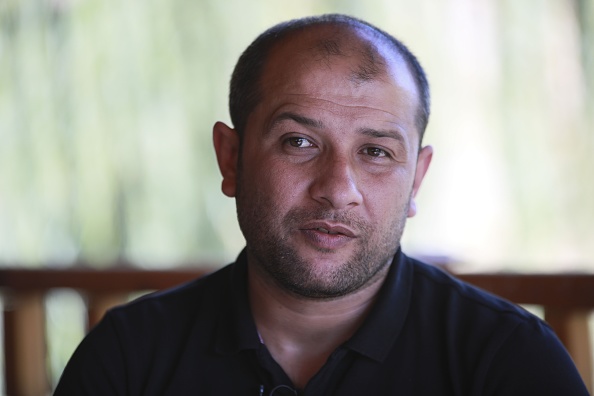
At the other end of the supply chain are the continent’s bar owners. Metin runs Kitty O’Shea’s, an Irish pub at the back of the European Commission’s headquarters in Brussels. Until recently, pairing a pint with a good burger was an affordable deal, but after raising his burger prices last year he is preparing to do so again in January.
“In 2023, a kilo of beef cost €9. In 2024, it was €10.50. This year, it has reached €13. We have no choice,” Metin said, while leaning over the bar during a mid-afternoon lull in pint pulling this month.
This trend is not confined to Brussels.
Across the EU, young cattle carcass prices surged by 30% in November compared to the previous year, and in countries such as Greece, retail prices for ground beef have nearly doubled.
The explanation is straightforward economics: supply is tightening, while demand remains strong, particularly for processed products, which add value.
Too lazy to chew
Beef consumption in Europe has remained stable over the past years, but the types of products people buy have changed.
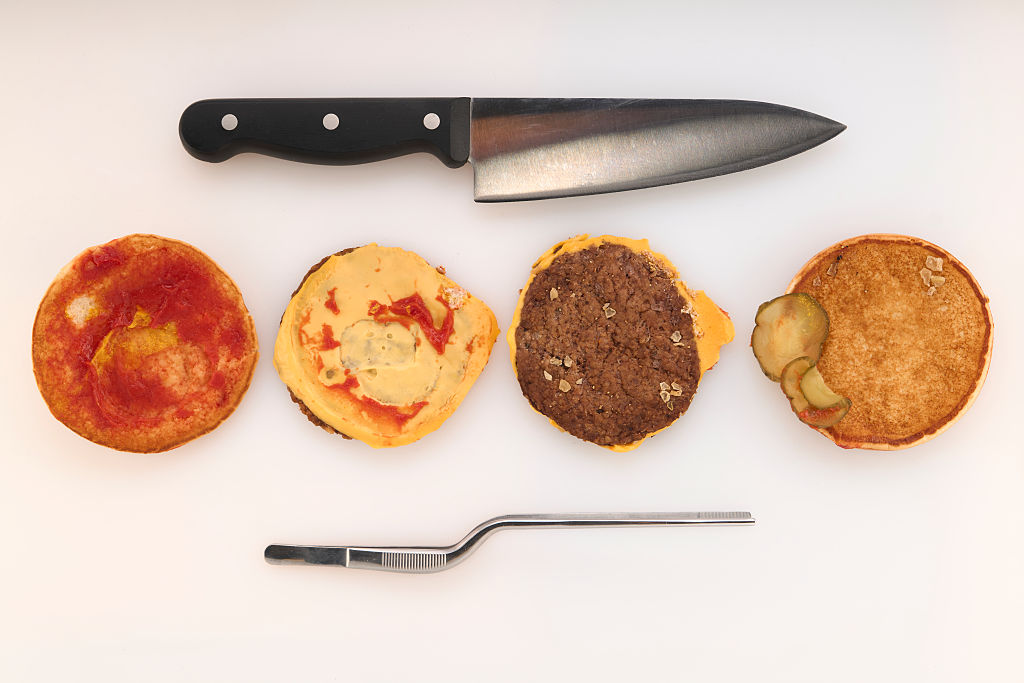
Demand is increasingly moving toward minced beef, preferably in the shape of a patty, a trend dubbed the ‘burgerisation’ of tastes.
According to Yari Vecchio, a researcher in agricultural and food economics at the University of Bologna, this reflects a broader “industrialisation of the palate,” with consumers favouring soft, easy-to-chew textures and immediate flavour.
Traditional cuts and cooking methods are being replaced by minced meat, which naturally delivers these qualities.
Although minced beef is cheaper, Vecchio explained, processing it into patties adds value, shifting profits from farmers to processors who control texture, flavour and quality.
A €15 gourmet burger may use cheaper meat than a steak, yet the price remains high.
This trend affects overall beef consumption unevenly. While some European consumers are buying less in response to food inflation, prices remain high. In Italy, for example, beef consumption fell by 1%, but spending rose 8%, Vecchio notes.
Ultimately, supply remains the main issue.
Supermarkets cash in on Gen Z ditching the kitchen
Pressed for time and lacking cooking skills, many young people are abandoning the kitchen for…
5 minutes


Fewer cows
One major problem is that Europe’s cow population is declining.
“There used to be 80 million beef cattle in the EU in 2005, and in 2024 the number had decreased to 72 million, despite the enlargement,” Paolo Patruno, deputy secretary general of the European meat processing industry association Clitravi, told Euractiv.
For Cédric Mandin, secretary general of the French beef producers’ federation FNB, herd shortages are partially driven by disease. “Due to the bluetongue disease, French farmers lost 200,000 calves last year, which has an impact on the cow population today,” Mandin said.
The latest outbreaks of the disease have also affected other European countries.
Harsh working conditions are pushing livestock farmers out of the profession, Patruno added. He cites rising production costs, challenges in implementing the Common Agricultural Policy (CAP), the Green Deal’s influence on national policy, stricter animal welfare rules, and growing bureaucracy.
In addition, Vecchio explained that alongside this “unprecedented convergence” of economic shocks and structural changes, decades of genetic selection for quality have gradually reduced the number of livestock units.
Despite the changes in demand, farmers are benefiting from rising prices.
“This is excellent news for producers, who have always had to cope with prices below what they should be,” Mandin said.
Will it last?
High prices are good news, but they are unlikely to reverse the long-term decline in livestock farming.
“We need young people. Half of our farmers are over fifty,” Mandin said. But the cost of setting up and bureaucratic hurdles make it unlikely that many will return, he added.
Farmers also fear that cheaper beef imports could erase recent gains. EU beef imports have already increased 13% this year, driven by imports from South American countries.
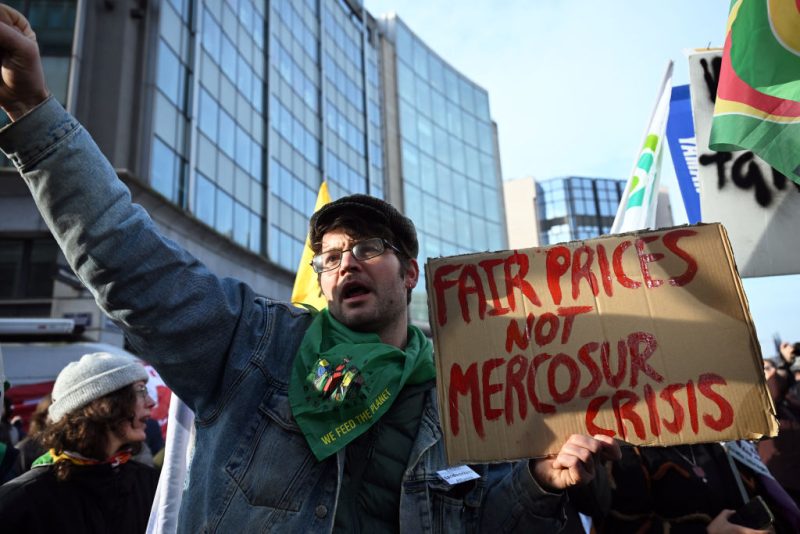
Looming over them like a sword of Damocles is the EU-Mercosur trade deal. It could open the door to large volumes from a major beef-producing region.
Mandin views with concern the production capacity of Argentina, Brazil, Paraguay, and Uruguay, which together cover nearly three times the area of the EU and are among the few regions with a meat production surplus.
“We need to protect European production,” he warned.
EU takes steps to placate farmers’ ire on Mercosur – will it work?
The EU-Mercosur signing document published on Thursday includes a clause clarifying that the Commission can…
3 minutes
(adm, cm, jp)

The original article: belongs to Euractiv .